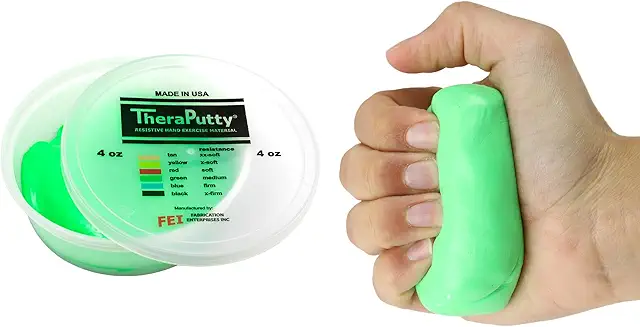
 Top pick
Recommended by therapistsEverything for
Everything for
Stroke Recovery.
Curated tools, home solutions, and daily essentials to help you regain independence, build strength, and live life on your terms.
✓
Evidence-Based
Curated by rehab professionals
✓
Curated catalog
Hand-picked items with category visuals
✓
For Every Stage
Hospital to home and beyond
✓
Offline-First
Works anytime, anywhere

Shop on top marketplacesamazonTEMUWalmartTargetHome Depot
Shop by Category
View all categories →Bathroom Safety
Bath, toilet & fall prevention
Mobility & Walking Aids
Walkers, canes & wheelchairs
Transfers
Boards, belts & lifts
Bedroom & Sleep
Bed rails, wedges & comfort
Toileting
Commodes, frames & urinals
Eating & Swallowing
Adaptive cups, utensils, thickener
Dressing & Daily Living
Reachers, sock aids, dressing sticks
Skin & Pressure Relief
Cushions, toppers & barrier cream
Cognition & Communication
Clocks, reminders & whiteboards
Top Picks for Stroke Recovery
View all top picks →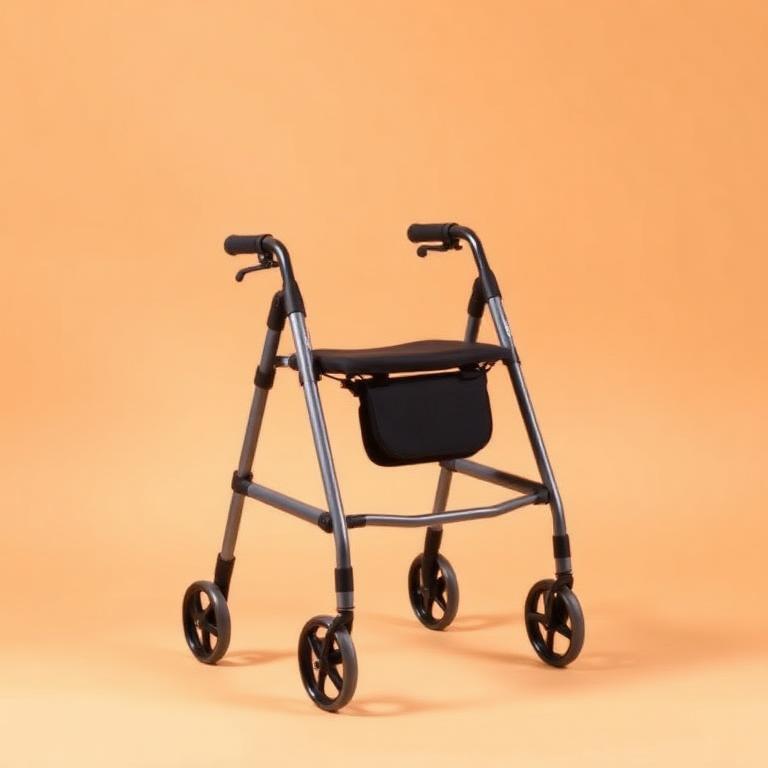
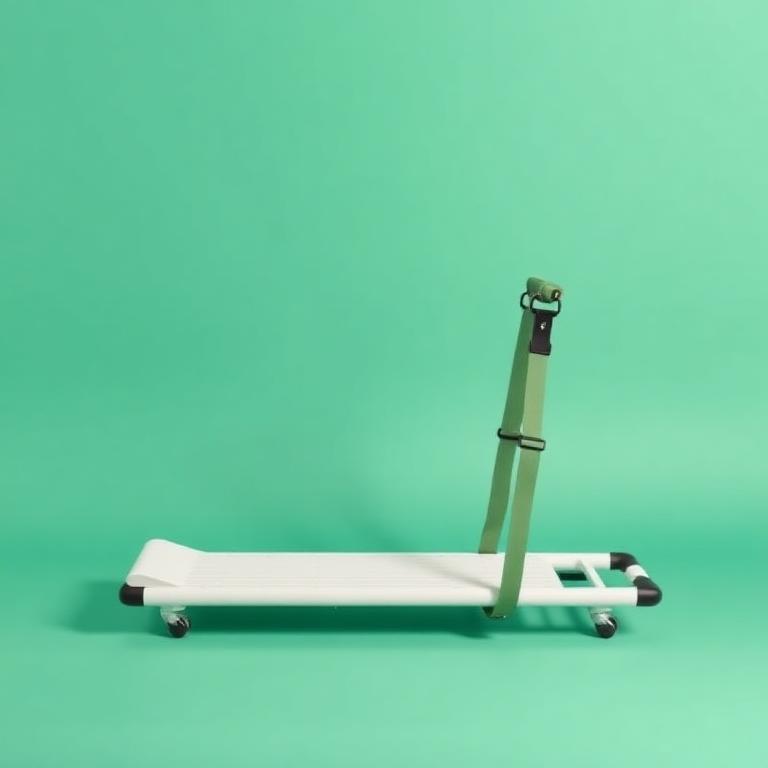
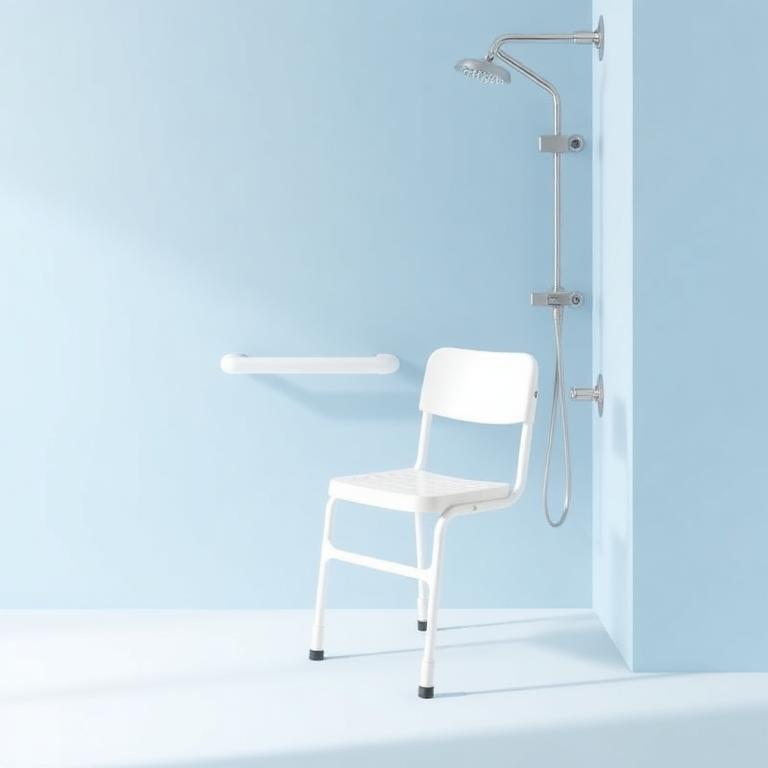
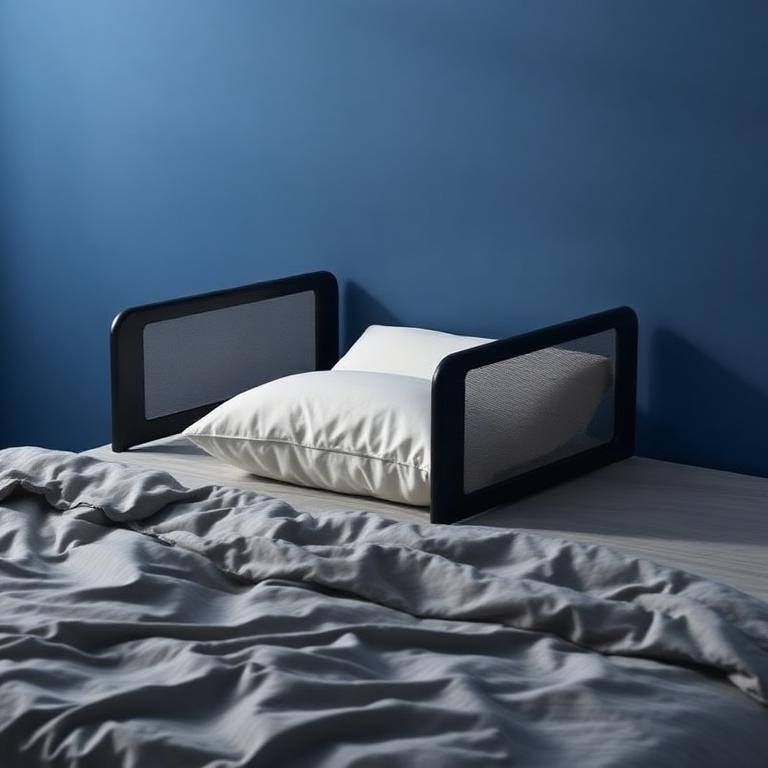
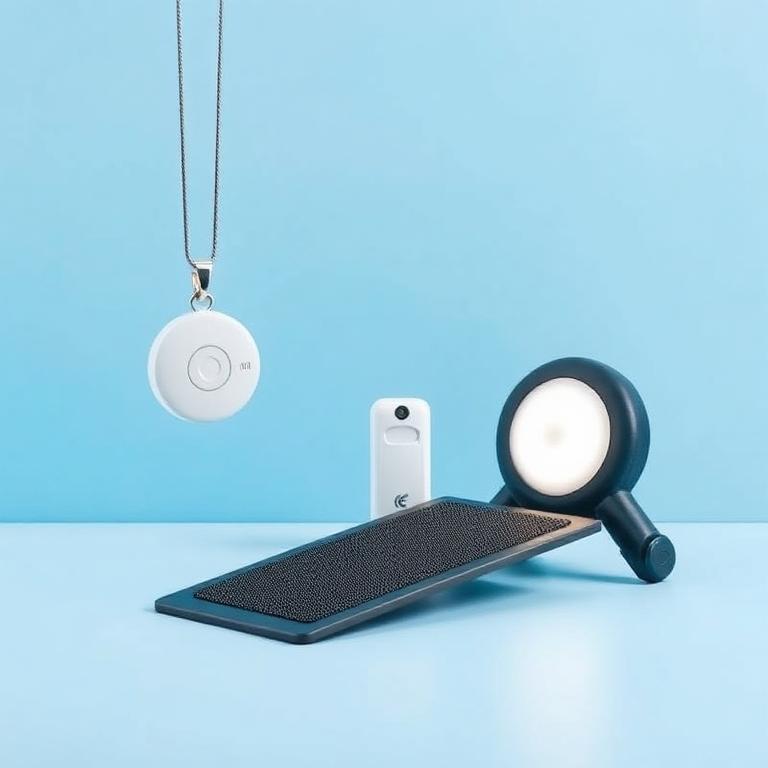
Swipe sideways for more top picks
Shop by Recovery Packs
View all packs →🏡
First 72 Hours Home
Essentials for a safe return home
Est. $150–$300🚿
Bathroom Safety Essentials
Prevent falls & improve independence
Est. $100–$250🦯
Mobility Starter Pack
Build strength & move safely
Est. $200–$400✋
Hand & Arm Rehab
Grip, dexterity & daily tasks
Est. $100–$200🧠
Cognition Booster Pack
Support memory & communication
Est. $80–$180🏠
Home Accessibility Pack
Ramps, levers, grab-bar planning & lighting for new builds and remodels
Est. $300–$800💜
Caregiver Essentials
Make caregiving easier
Est. $100–$200🌿
Outdoor Rinse Setup
Privacy tent, solar bag & hose rinse when the indoor bath is offline
Est. $80–$200💻
Return to Work
Ergonomic + adaptive workstation
Est. $200–$500Home construction & renovations
Major accessibility upgrades work best when therapists, contractors, and families plan together. Use these guides whether you are widening doors, remodeling a bathroom, or building a new accessible suite.
Home construction for accessibility
Plan accessible features before walls close in
New builds and major additions are the best time to install blocking for grab bars, wide doorways, and zero-step entries. Bring your OT or PT to the walk-through so measurements match how you will actually move after stroke.
Step 1
Before framing
Decide which bathrooms and entries must work with a walker or wheelchair — even if you are walking now.
- 32–36 in. clear width at bedroom and bath doors
- Reinforced shower walls for future grab bars
- Blocking at toilet and shower at correct height
- Plan a zero-threshold or low-curb shower pan
Step 2
Electrical & lighting
Good light reduces falls during recovery — plan switches you can reach from a chair.
- Motion or rocker switches at 42–48 in. height
- Night path lighting hall → bath
- Outlets reachable without bending
Step 3
While you still live at home
Use temporary ramps and a clear path through work zones until construction finishes.
- Mark step edges with high-contrast tape
- Keep one toilet and one shower route usable
- Store daily meds on a rolling cart
Related picks
Renovations while you recover
Bathroom and entry remodels without losing safety
Most stroke survivors renovate an existing bathroom or entry — not a full new build. Sequence the work so you always have a safe toilet, a way to bathe, and grab bars installed after tile, not before.
Step 1
Before demo day
Meet with your contractor and therapist on the same plan — grab bar height is not guesswork.
- OT marks grab bar locations on stud photos
- Order a temporary outdoor or bedside rinse setup
- Move meds and night light to the room you will sleep in
- Confirm commode or second toilet access
Step 2
During the remodel
Assume dust, noise, and one less bathroom. Fatigue makes balance worse — plan rest.
- Outdoor or camp shower if indoor shower is offline
- Non-slip shoes inside work zones
- Caregiver or alert button when alone
- Keep pathways free of tools and cords
Step 3
After tile & paint
Install grab bars into structure — not drywall alone. Re-test transfers before removing temp gear.
- Bolted grab bars at shower, toilet, and entry
- Hand-held shower on adjustable bar
- Transfer bench or shower chair re-fit to new tub
- Final contrast strips on new step edges
Not sure where to start? Ask your OT for a home safety evaluation before signing a contractor scope. stroke.shopping lists products — we do not perform construction or medical assessments.
Curated lists
View all lists →Topic lists in JSON — wheelchair accessories, mirror therapy, bathroom safety, and more — each product uses a stable global ID.
Shop by condition
All conditions →Aphasia, dysphagia, hemiparesis, vision, fatigue, spasticity, and fall prevention — products matched from tags, categories, and recovery goals.
💬
Aphasia & communication
34 items🥤
Dysphagia & swallowing safety
14 items⬅️
Left-side weakness (hemiparesis)
264 items➡️
Right-side weakness (hemiparesis)
205 items🧠
Memory & cognition
60 items👁️
Vision changes
61 items🔋
Fatigue & energy conservation
87 items🦾
Spasticity & tone management
124 items🛡️
Balance & fall prevention
144 itemsStroke recovery: the facts
Hover a fact to see the source ↗
- 795,000+
people in the U.S. have a stroke every year
CDC - 80%
of survivors experience some level of disability
National Stroke Assoc. - 60%+
of survivors return home — but most aren't fully equipped
AHA - 70%
of falls happen in the bathroom after a stroke
J. of Safety Research - 40%
of caregivers say they lack the right tools
Caregiver Action Network - Better tools = better outcomes
proper equipment reduces complications and speeds recovery
AOTA